Four Birthdays, Back-to-School, and the Reality of Overwhelm
August shouldn't feel like a countdown to something scary. But if you're a parent of neurodivergent kids, you probably know exactly what I mean when I say that the back-to-school season isn't just busy — it's a particular kind of heavy.
It's the kind of heavy that sits on your chest before you've even opened your eyes in the morning.
Last year, for our family, it arrived all at once as September hit: four birthdays, back-to-school, activities starting back up, friends returning from summer trips, and doctors — all the doctors, back from holidays — wanting to squeeze September appointments in. "Preferably in September," they say, as if September isn't already holding more than it can carry.
It's Not Just a Full Calendar
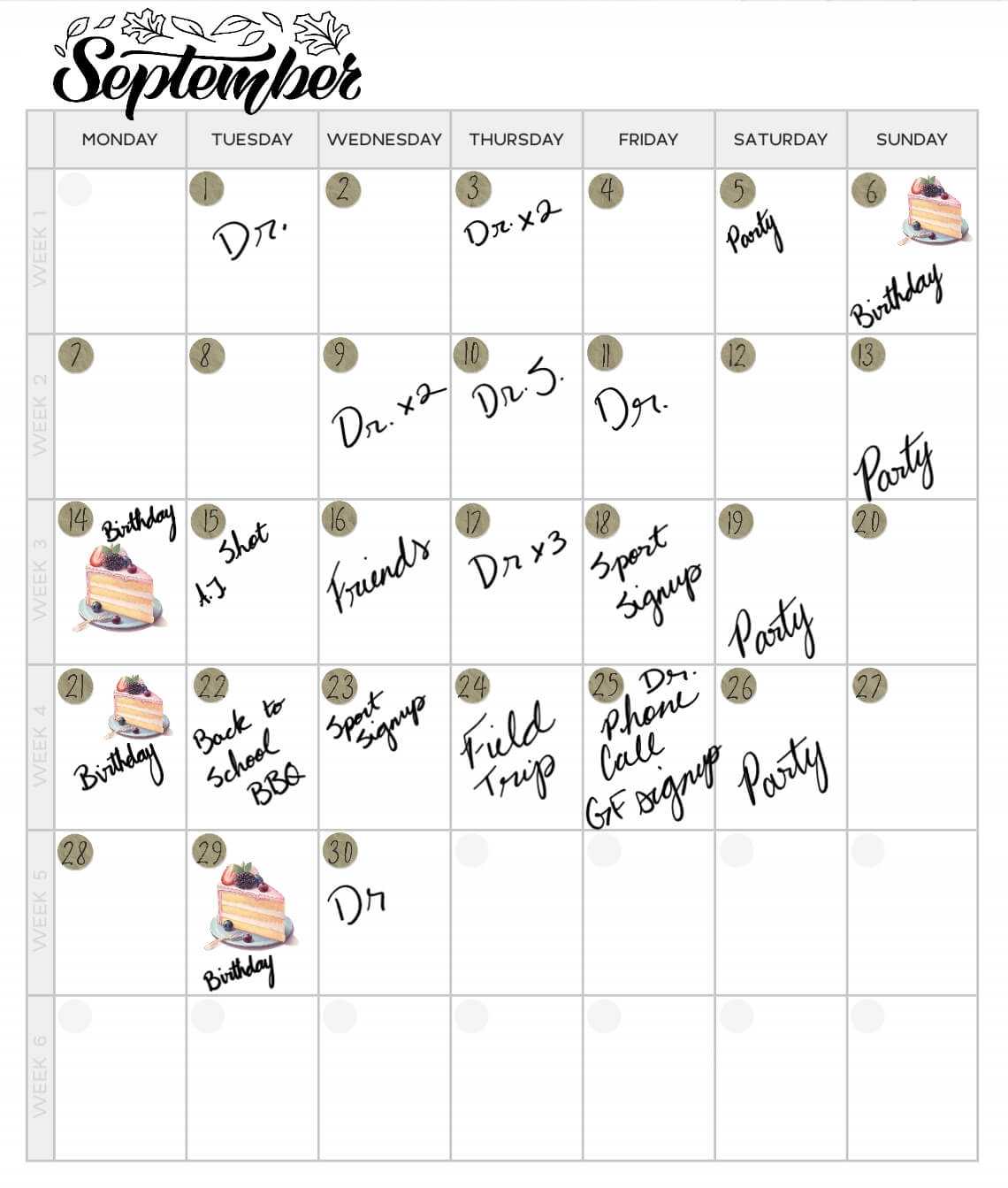
When people hear "busy season," they picture a full calendar. And yes — the calendar is full. But what they don't see is everything behind each item on it.
Every birthday party on that calendar is actually five to ten invisible decisions. Where is it? How long does it take to get there? When are we getting the gift — and what are we getting? What’s the budget? Do we need to bring food? Two of the birthdays we're attending are for our kids' siblings — children raised in another home who are still part of our family's story through adoption. Those celebrations carry their own kind of tenderness and their own layer of coordination. And then there are our own two kids with birthdays in this same stretch, who don't want to share a party, which means two separate celebrations to plan, prep, and pull off.
Add back-to-school events. Homeschool year launch. Social plans that got pushed all summer suddenly materializing at once.
And somewhere in the margins: the mental math of which appointment you absolutely cannot forget, and whether you can realistically get from two doctor's appointments to a welcome-back barbecue in one day without someone falling apart — including you.
That's not a full calendar. That's a full calendar and a second job nobody pays us for.
The Layer Nobody Talks About
Here's what makes it genuinely different when you're parenting neurodivergent kids: every single event requires a plan inside the plan.
And when you have four neurodivergent children — each with their own needs, their own triggers, their own toolkit — that work doesn't just add up. It multiplies. Our home includes my three kids and my younger brother, who I also support. My parents live with us and we coparent together, which is a gift I don't take for granted. But even with that help, even with more hands than most families have, the mental load doesn't disappear. It just gets distributed across more people who are also tired with a lot of post-bedtime conversations figuring out how we’re going to get through the next day.
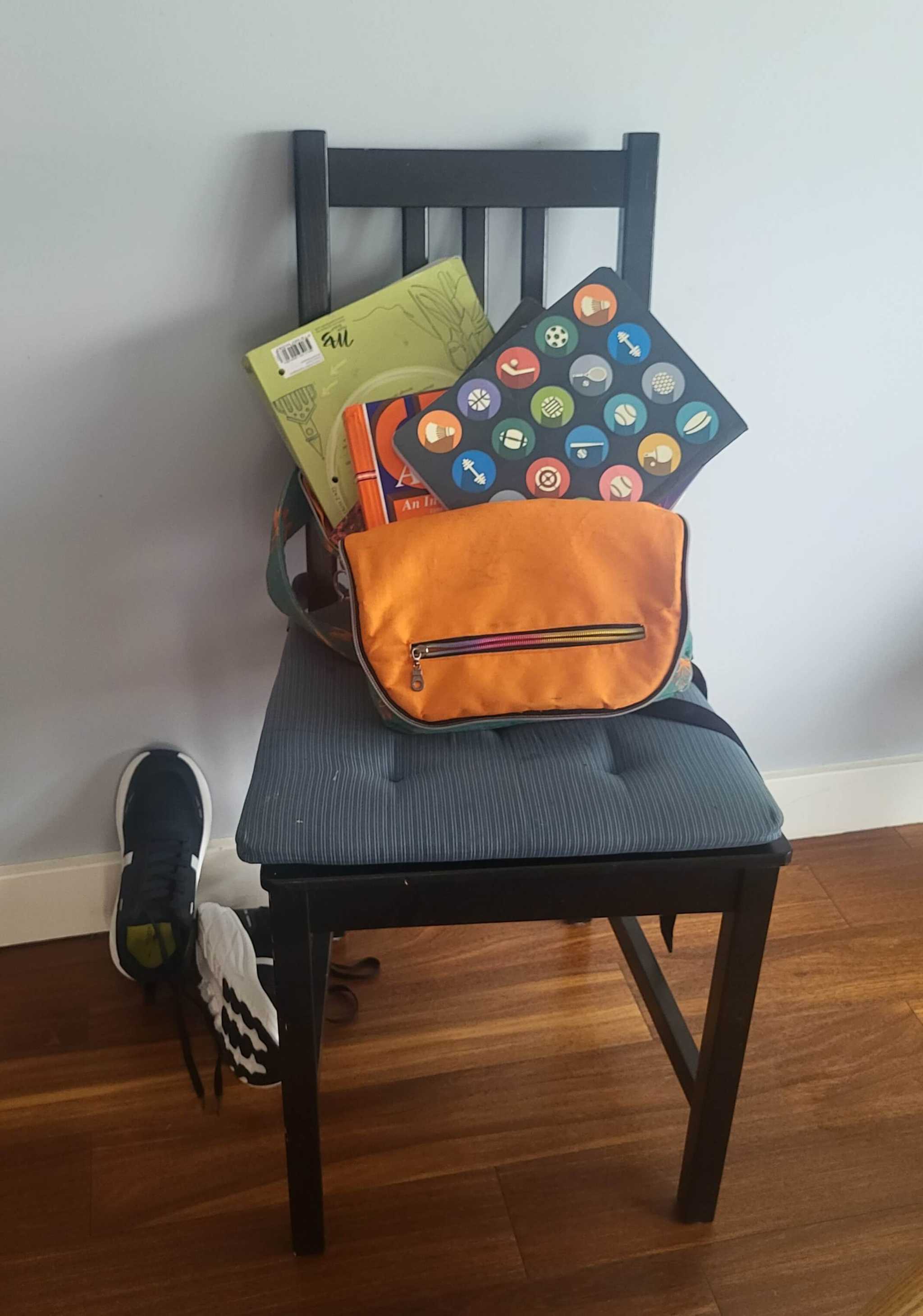
The birthday party toolkit — headphones, a favourite fidget, a weighted item, whatever works for your child — that has to be packed and ready. The exit plan has to exist before you walk in the door, because you might need it in the first ten minutes. You're mentally mapping out where the quiet corner is, when to suggest a break, how to read the room before your child hits the wall – all while still carrying on exhausting small talk with people you are just meeting.
The doctors want a full summer debrief. What did behaviours look like? What changed? How are things going now that school is starting? You're not just answering questions — you're translating an entire season of your family's life into clinical language while sitting in a waiting room with kids who are already stretched thin. And then you do it again at the next appointment. And the next. Because there isn't one child — there are four.
Teachers, volunteers, and new support workers want the crash course on your child. What works. What doesn't. What the warning signs look like. You've done this before. You'll do it again. And every time, you're hoping something actually sticks.
There are social stories to practice. Skills that faded over the summer and need rebuilding. Backpacks to help pack. IEP meetings to prepare for. Transportation logistics to sort out. Activities to sign up for.
It is so much. And you are carrying most of it quietly, because the goal is to make it work for your kids — not to let the weight of it spill onto them.
The Grief That Hides in the Feed
And then there's the thing that doesn't fit neatly into any to-do list.
September brings the back-to-school posts. The glowing first-day photos. The captions about how fast they're growing, how independent they've become, how ready they are.
And sometimes — not always, but sometimes — you're scrolling through that and quietly sitting with the reality that your children's stories look different. That the gaps between your neurodivergent kids and their peers aren't closing the way you hoped. That what felt like progress over the summer looks smaller when held up against the milestone posts flooding your feed. That the preteen years have a way of making those gaps more visible, not less — and when you're watching it happen across multiple kids at once, that's a lot of grief to hold at the same time.
That grief is heavy. It doesn't mean you aren't proud of your child. It doesn't cancel out every hard-won moment of growth. It doesn't mean you're doing it wrong or loving them wrong.
It just means you're human, holding the heavy, in the middle of a season that asks a lot of you.
You Don't Have to Resolve It to Survive It

I'm not going to give you a five-step plan to make September easier. It’s not that simple, and that's a different post, for a different day.
What I want to say right now, what I wish someone would have said to me in similar seasons, is this:
It's okay to grieve and still be happy for how far your child has come. Those two things can exist in the same heart at the same time. You don't have to choose.
You are in the middle of your story, not the end. And it's okay that your story looks different from other families.
God loves you and your child just as deeply. The different path is not the lesser path. It’s the path that God is walking alongside you. And the fact that you are still showing up — with the toolkit bag, the exit plan, the appointment notes, the social stories, the quiet grief and the stubborn hope — that matters more than you’ll ever know.
*If this resonated with you, I'd love to stay connected — join the Ability Oasis email list for resources, encouragement, and practical tools built for families like yours. And if you're wondering what actually helped us reduce some of this seasonal overwhelm — that post is coming August 28.