
What Actually Helped Me Survive September
If you read the last post, you know what September looks like in our home. Four birthdays. Back-to-school. Doctors. Activities. Friends resurfacing. And four neurodivergent kids whose nervous systems are already running hot from the transition. (You can read it here).
I promised that I would share things that helped our family.
This is that post.
Not a perfect system. Not a framework that will eliminate the overwhelm. Just the real things we actually did — some of which were hard calls, some of which surprised me — that kept us from completely falling apart.
The First Thing We Did Was Do Less
I know. You've heard it. But I want to be specific, because "do less" as advice is almost useless without the how.
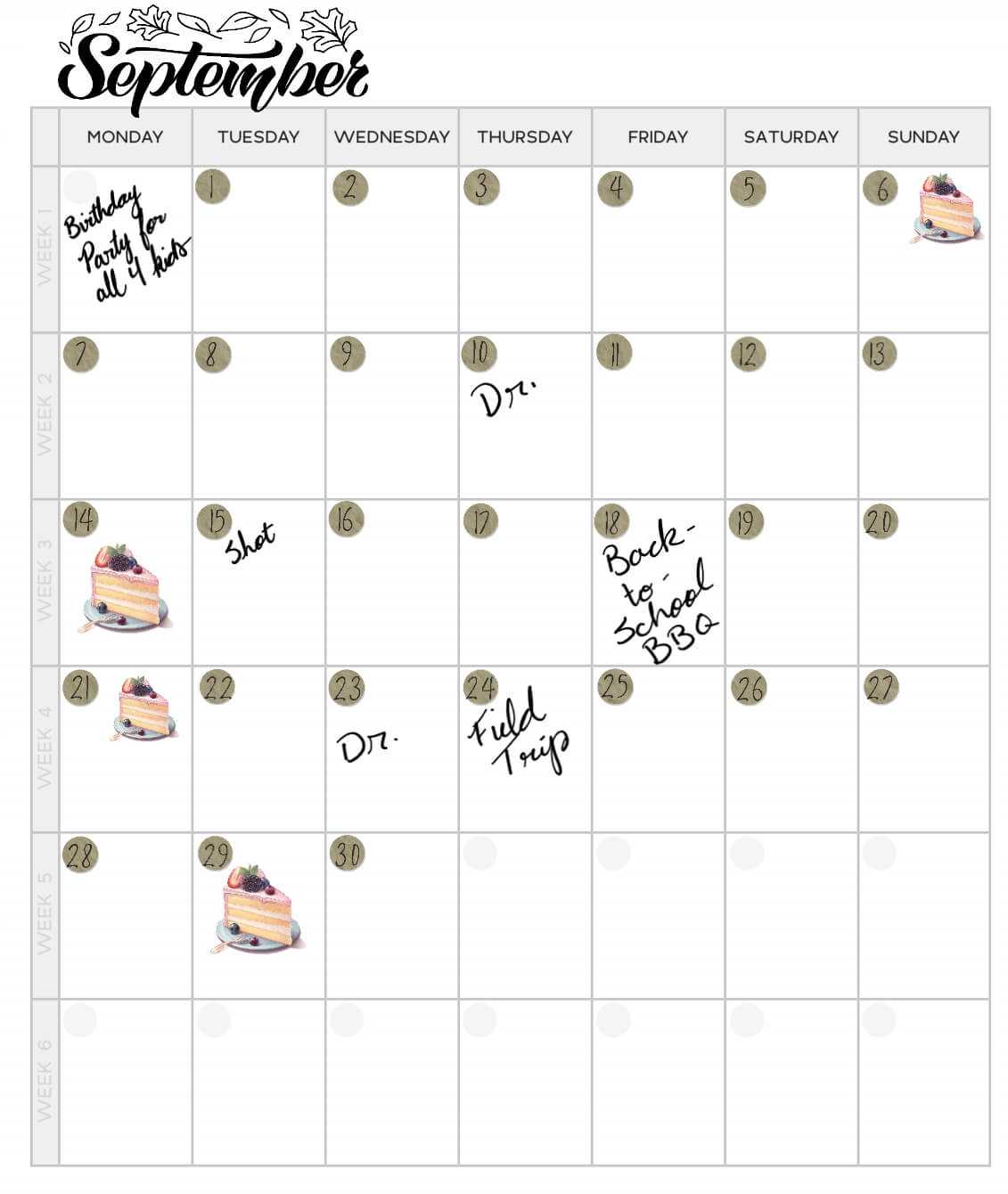
The biggest decision we made — and it wasn't easy — was to combine the sibling birthday celebrations into one. Our kids have siblings being raised in another home, and in previous years that meant four separate party weekends, four trips, four sets of overstimulation, four recoveries. We watched what that did to our kids. One of them would dysregulate for days afterwards. In one child's case, the effects rippled out for nearly two weeks each time, and compounded when that time overlapped.
So we sat down with the other family and made a different plan: one celebration, both families together.
There was pushback. The kids were disappointed. The other family had understandable feelings about it. And we held the boundary anyway — not because we didn't care about what they wanted, but because we'd already seen the alternative. We knew what four parties in four weeks cost our kids, and we weren't willing to pay that price again.
Regulation and a peaceful home are a priority for us. Peaceful as in not constant arguments, frustration, and meltdowns — not necessarily quiet. That distinction matters.
The same logic applied everywhere else. I asked doctors to prescribe enough medication that we could push some follow-up appointments to October instead of cramming everything into September. I capped social plans at three welcome-back activities or hangouts per week, and left the other afternoons intentionally open — for last-minute connection if the kids needed it, or for rest at home if they needed that instead.
We said no to a lot. We said a quieter yes to what remained.
The Structures That Held Us
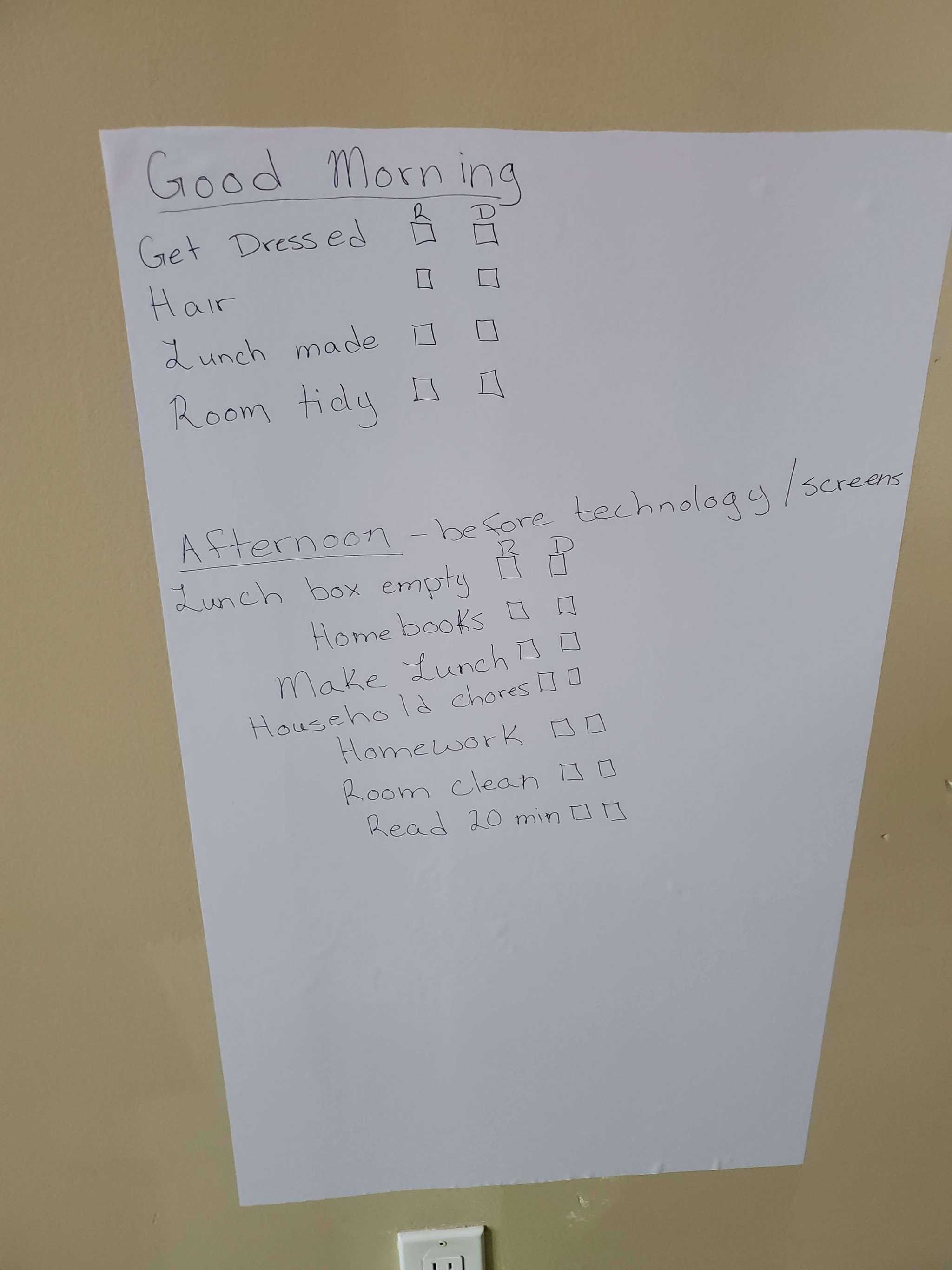
Once we'd reduced what was on the calendar, we needed the days themselves to feel predictable — because predictability is regulation, for neurodivergent kids and for the adults holding them.
We leaned hard on consistent routines. School first, then fun — not as a punishment, but as a reliable shape to the day that everyone could count on. It reduced the negotiating. It reduced the "but why do we have to" conversations. When the structure is known, there's less to fight about.
Visual schedules came back out — weekly for the bigger picture, daily for the kids who needed to see what was happening hour by hour. Not because they couldn't handle not knowing, but because knowing gave their nervous systems permission to settle.
Visual cleaning supports went up around the house too. When the thinking of what needs to be done is already done for you, when you can just look at the wall and see the steps, it reduces the cognitive load for kids who are already running on fumes. It reduced mine too, if I'm being honest.
And we kept therapy appointments. This was intentional. In a season where the temptation is to push everything to later, we held those spots. Because our kids needed somewhere to put the hard feelings that wasn't us. A place to process with someone whose job it is to hold that, so we weren't the only ones doing it.
Holding Space for the Hard Feelings
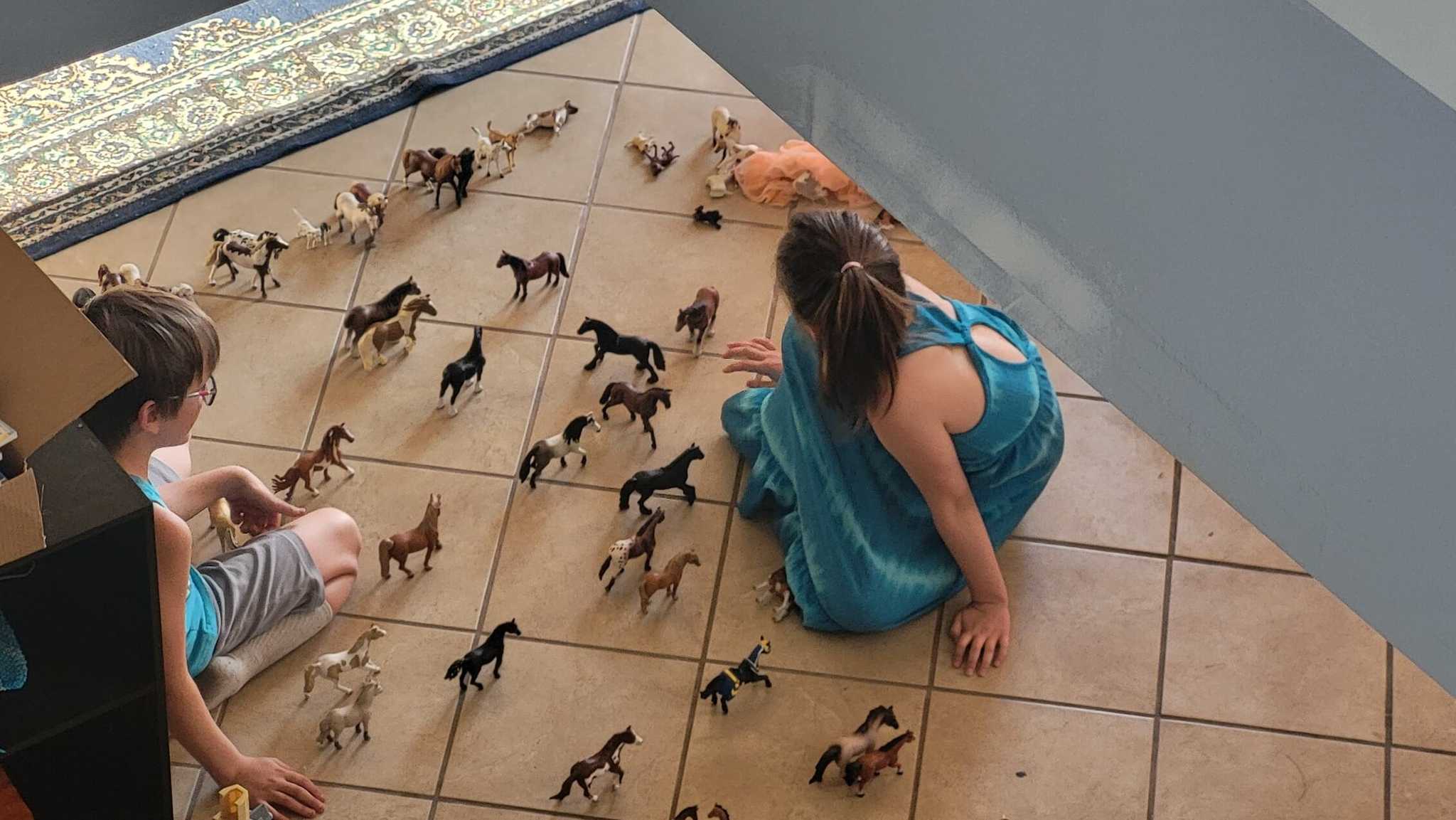
Here's the thing about doing less and building structure: it doesn't make the disappointment disappear.
Our kids were still sad about the parties they missed. They were still angry about the birthday change. There were still tears and arguments and a lot of "it's not fair."
We didn't try to talk them out of any of it.
We held space for the disappointment, the anger, the sadness. We let them feel what they felt. And we held the boundary anyway — because those two things can coexist. You can acknowledge that something is genuinely hard and not change the decision.
We also gave grace — a lot of it. Knowing that medication transitions take time. Knowing that a dysregulated nervous system isn't a character flaw. Knowing that processing takes longer for some kids, and that September asks a lot of everyone. We tried to meet the behaviours we were seeing with curiosity instead of frustration, even when we were tired.
Even when we failed at that. Because we did, sometimes. And grace applies to parents too.
A Note for the Parent Doing This Alone
I want to name something before I close.
I have help. My parents live with us — we coparent together across generations, which is not a small thing. One of them works, and having help doesn't eliminate the overwhelm, but it distributes it. I know not everyone has that.
If you're reading this alone — truly alone — I want you to hear this:
You are still allowed to hold hard boundaries. You are still allowed to say no to the fourth party, to push the non-urgent appointment, to leave an afternoon unscheduled. You don't have to earn the right to protect your capacity by having a support system first.
And then — talk to your community. Not to explain yourself or justify your limits. Just to ask: is there someone who could take a kid for a walk on a harder day? Is there someone who could be an emotional resting place for you this month — a phone call, a text, someone who doesn't need the whole backstory, but to just sit with you for a minute?
You were designed for community. This life is genuinely easier when you have it — even when it's small, even when it looks nothing like what you imagined. And sometimes that means we have to build it intentionally, because it doesn't always show up on its own. One person who gets it. One afternoon that doesn't require explaining yourself. One boundary held together instead of alone.
You are still allowed to protect your own capacity. Burning out doesn't make you a better parent — it just makes September longer.
These are the kinds of practical, real-life supports I build resources around at Ability Oasis — visual schedules, cleaning supports, regulation tools, and more. If you want to explore what's available, you can find them at abilityoasis.com. And if you want encouragement like this in your inbox instead of hoping you stumble across it — my email list is a good place to be.