
5 Ways to Reduce Summer Overwhelm (For Families Who Can't Do Pinterest Summers)
You've seen the posts. The coordinated outfits at the splash pad. The road trip aesthetic. The backyard movie night with the string lights and the matching blankets and the popcorn in individual little bowls.
And you're sitting there thinking: "I don't have the energy for that." Or maybe something closer to: "I can't even imagine what it would feel like to take a family vacation" — because you already know you won't make it ten minutes down the road before someone's trying to jump out of the moving vehicle.
Summer is hard for a lot of families. But for families parenting kids with trauma histories, neurodivergence, sensory needs, or big behaviours — summer isn't just hard. It can feel like the wheels come completely off.
The routine that held everything together during the school year? Gone. The predictability your child's nervous system depended on? Gone. What's left is a lot of unstructured time, a lot of siblings in close quarters, and a lot of moments that dissolve into chaos before you've even had your coffee.
This post isn't about how to have a perfect summer. It's about how to have a survivable one — and maybe, in the spaces between the hard moments, even a good one.
Why summer hits these kids so hard

It's not that your child hates fun. It's that their nervous system depends on predictability to feel safe. When the structure disappears, so does the felt sense of safety — and without that, everything becomes harder. Sleep, transitions, sibling relationships, emotional regulation, all of it.
That's not a behaviour problem. That's a nervous system doing exactly what it was wired to do.
Which means the solution isn't more discipline or more activities or a more elaborate summer bucket list. It's rebuilding enough predictability that their nervous system can settle — and then building your summer around that foundation.
Here's what that actually looks like.
-
Rhythm instead of a rigid schedule
Forget the time-blocked schedule. If you've ever tried to get a dysregulated child to transition at 10:47 because that's what the chart says, you already know it doesn't work.
What works instead is a rhythm — a predictable order to the day, without the pressure of specific times. Wake up, breakfast, some outside time, a quieter activity, lunch, rest, afternoon play, dinner, wind-down. The same basic shape, every day, repeated until it becomes the background hum of summer.
For our family, we actually keep the same rhythm for all non-school days — weekends, holidays, summers. It means my kids have internalized what a home day looks like, and they move through it with a lot less friction than they used to.
No times. Just a sequence. That's enough to give a nervous system something to hold onto. -
A visual schedule they can actually use
Visual schedules work — but not when they're twenty steps long and laminated and colour-coded and require a PhD to read.
Keep it simple. Five to seven steps for the day or time period. Pictures if your child needs them, words if they don't. Post it somewhere they can see it and check things off as you go.
The piece most people miss: build in flexibility on purpose, and make flexibility feel like a good thing. An unexpected change to the schedule can feel like a threat to a child who depends on predictability — unless they've learned that surprises can be good ones too. Practice it. "Oh, a friend just invited us to the river — let's switch things around!" Load up the positive surprises so that when an unavoidable hard change comes, they've already got some experience that change doesn't always mean bad.
And be consistent about using it. It can take a few weeks to become habit — especially for parents who (like me) naturally resist routine even when we need it. Push through the early wobble. It gets easier.
(A note: I'm currently building an editable visual schedule printable specifically for families like ours — keep an eye out for that.)
- Sensory breaks built into the day
A child who has been sitting and containing themselves all morning needs to move. A child who has been overstimulated all afternoon needs quiet. Neither of them is going to tell you that in so many words — they're just going to start climbing the walls or melting down or going after a sibling.
Get ahead of it by alternating high-energy and low-energy blocks throughout the day.
For us, this looks like sending kids outside to yell at the coyotes — genuinely, I tell them "Go yell at the coyotes, not in the house" — and then channelling that energy into something physical, like hauling the wheelbarrow of dirt to the garden, jumping on the trampoline, or other outdoor games and chores. Heavy work, big movement, loud voices. Then we come back inside and things are a little calmer.
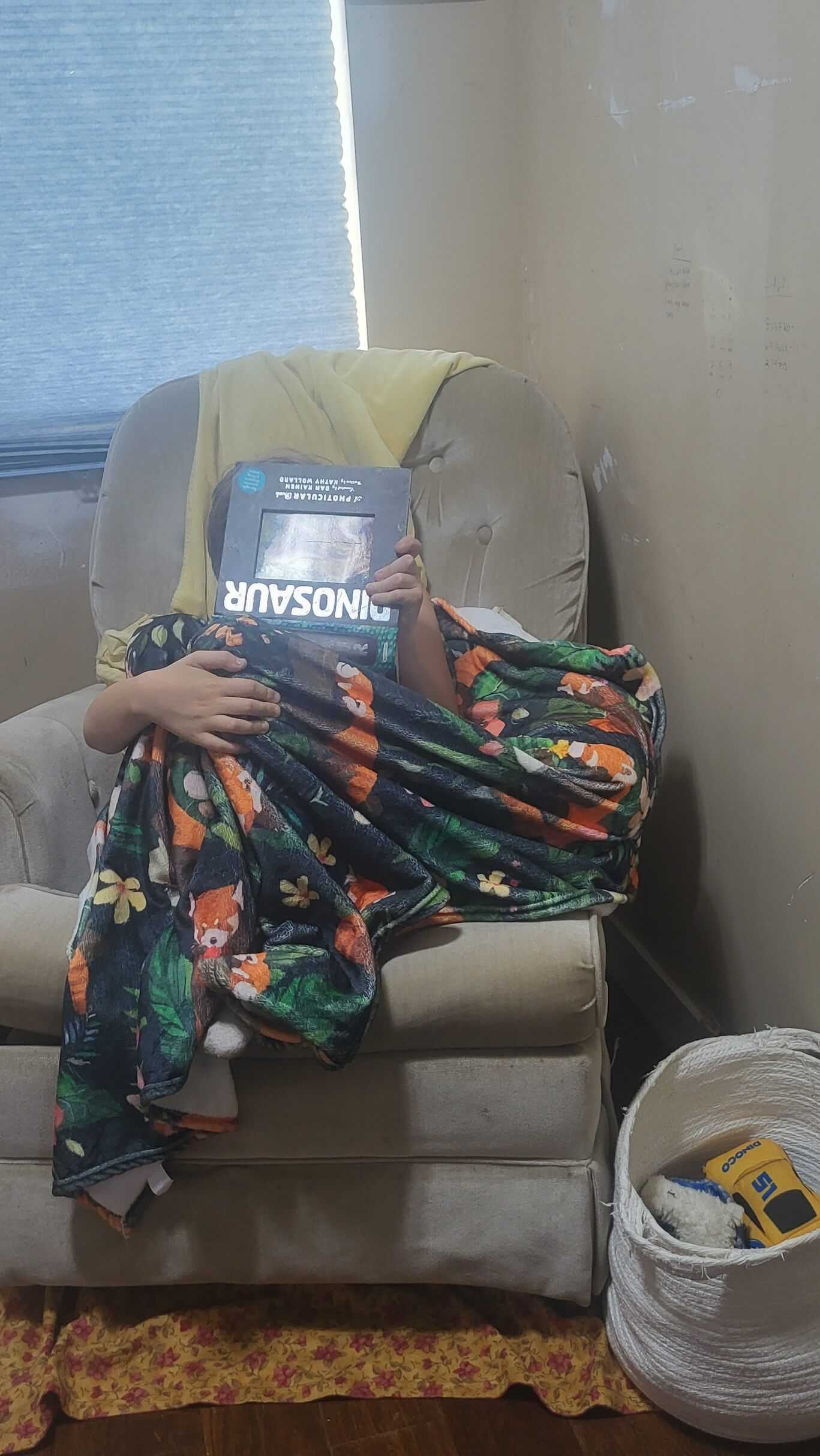
Quiet time in the afternoon — even just twenty minutes of independent reading or resting in their rooms — isn't a punishment. It's a regulation break for everyone, including you.
Watch for the signs that a sensory break is needed, and don't wait until the meltdown is already happening. Prevention is always easier than recovery. - Simplified expectations (the house will be messy — that's okay)
Summer is not the time to hold the line on everything. Pick your battles — pick them deliberately — and let the rest go.
In our house, summer expectations look like this: a five-minute tidy before each meal, kind words (not necessarily quiet ones), and a path through the bedroom floor for safety reasons. That's about it. The floors have mud on them from kids coming in from puddle jumping. There's sand in the car from the beach trip where I decided it was worth the mess. The living room looks like a tornado hit it by 10am.
And that's okay. Because the alternative — spending all my energy enforcing a standard of order that isn't realistic right now — costs more than it gives.
"Today we were supposed to clean but we got invited out. So today we expect fun, not cleaning. We'll do it tomorrow." That sentence has saved more summer afternoons than I can count.
Simplified expectations aren't lowered standards. They're realistic ones, built for the season you're actually in. - Connection that requires nothing from you
The thing that made the biggest difference in our summers wasn't a strategy. It was finding people we could just be with.
Friends who get it. A campsite, a picnic table loaded with more snacks and hot dogs than anyone could possibly eat, and zero agenda for the day. Want to go to the river? Give me a minute to grab the sunscreen and let's go. Want to sit by the fire and not talk? Cool — I've got your kid.
No performing. No explaining. No apologizing for your child's behaviour to someone who doesn't understand the context. Just people who love you, grab your kid when they need it, and don't require you to have it together.
If you have those people, prioritize them this summer above almost everything else. And if you don't have them yet — finding one or two is worth more than any strategy in this post.
Snacks help too. We keep a veggie tray on the counter from the time we wake up until bedtime, free for anyone to graze. It sounds small. It has prevented more meltdowns than I can count.
What this summer can actually be
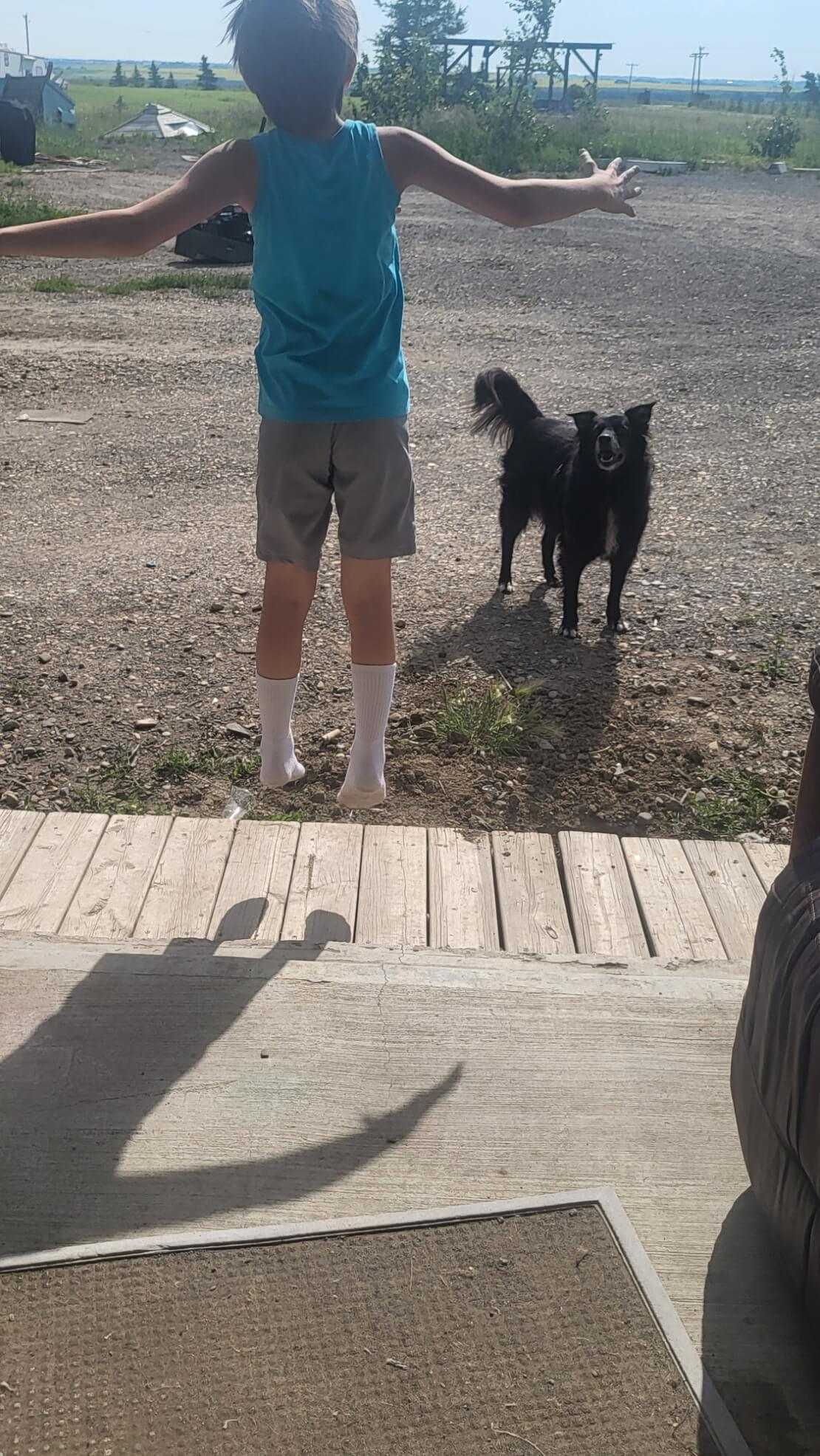
It won't look like the pictures. Your kids might spend three days in their pyjamas recovering from the school year. You might spend a morning physically separating siblings and the afternoon watching them play together like nothing happened. You will probably have days where survival is genuinely the only goal — and that is a legitimate goal.
But there will also be the afternoon someone made you laugh until you cried. The moment your kid did something that surprised you in the best way. The campfire evening where everyone was just okay for a few hours.
Look for those moments. Let yourself feel them. Take the picture if you want, or don't — but let it land.
The goal isn't a perfect summer. The goal is to enjoy your children where they're at, not where you wish they were.
That's enough. You are enough. And this summer can be good — just probably not in the way anyone's Instagram suggests.
Want more posts like this with practical support? Join the email list to here.