
Helping Kids Through Anxiety
We all deal with worry at some point, even our kids. But what about when our children's worry becomes anxiety? Worry is short term, while anxiety is persistent, and affects daily life – often even physically. According to Children First Canada in 2024, 20% of Canadian children have been diagnosed with mental health conditions, and the CMHA State of Mental Health reported that 10.6% of Canadian children in 2024 have been diagnosed with anxiety or mood disorders. We also know that the prevalence of anxiety has increased in the last 5 years. And it's not just Canada – the UK and US have seen similar increases.
As a parent or professional working with children, it can be challenging to support a child without letting anxiety take over. Whether you’re a mom, a teacher, a coach, or a youth program leader, understanding how to manage anxiety is crucial. Of course, working with a child's doctor and a good therapist is crucial. But those are not daily supports for when our child is struggling in the moment. The good news? There are practical strategies we can use as parents to help manage anxiety.
Connecting and Calming - We always want to start by connecting with kids. This looks different for each child. Sometimes, it means sitting beside them while they work through their emotions. I try to position myself close enough that they can easily touch me when they're ready – whether that's sitting right beside them so they can lean on me or sitting in front of them so they can climb into my lap (when at home). In a classroom or program setting, it could mean creating a designated calm space or sitting quietly with them.
I focus on modeling calm breathing – a technique that helps no matter what role you play in the child’s life. This might mean breathing deeply and intentionally, waiting for the child’s body to mimic yours, or guiding them through a structured breathing exercise. Depending on the child and your situation, rubbing a child's back while coaching their breathing may also help. You can also try counting breaths: Breathe in – 2 – 3 – 4, Breath out – 2 – 3 – 4 – 5 – 6 – 7 – 8. (Pro tip: When encouraging deep breathing, aim to make the exhale twice as long as the inhale. This helps calm the body more quickly.)
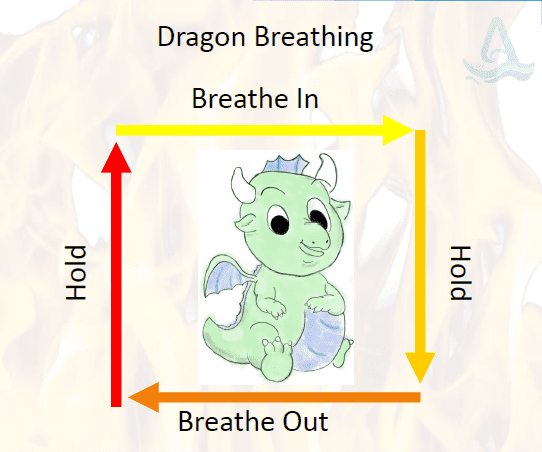
Why is this important? Until a child is calm, they can't truly process their emotions or the situation at hand. Before problem-solving, we need to acknowledge their fear and validate their feelings.